Building MIS Systems for Social Impact: Lessons from the Field
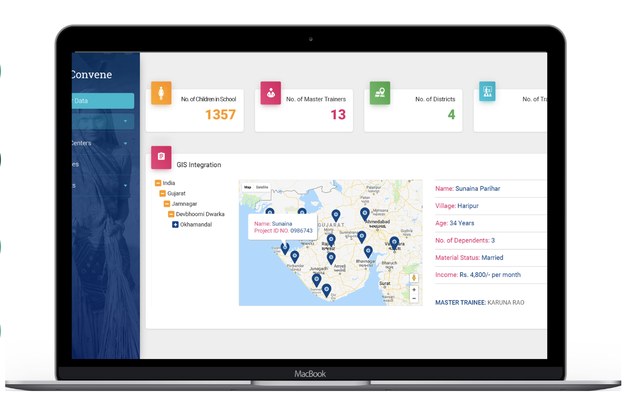
At Socialbytes, we’ve spent years designing and implementing Management Information Systems (MIS) for nonprofit organizations and government programs. Across every project, one thing has remained clear — building an MIS isn’t just about technology. It’s about people, programs, and context.
These are some of the key lessons we’ve learned while co-creating MIS systems for social impact initiatives across India.
1. Adoption Takes Time
Technology succeeds only when people use it. Nonprofit teams often juggle fieldwork, reporting, and community engagement. Introducing a new system can feel overwhelming at first.
That’s why onboarding and handholding matter — investing time to train teams, understand their day-to-day challenges, and make the system feel like a true aid, not an added burden.
2. Design for the Local Context
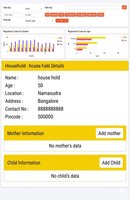
A great MIS starts with empathy. If your field staff uses basic Android phones or works in low-connectivity areas, the system should be designed for those realities.
Simplicity, accessibility, and usability must drive design decisions, ensuring that every feature adds value rather than complexity.
3. Plan for Change
Social programs evolve — geographies expand, activities shift, and reporting needs change. A rigid system can quickly become obsolete.
The solution lies in modular, scalable architecture that allows organizations to adapt easily without constant dependence on developers or vendors.
4. Test Early, Test Often
Office pilots don’t reveal the real picture. The real test happens in the field — where devices are slow, connectivity drops, and conditions are unpredictable.
Field testing exposes what truly works and helps refine the system to be resilient and field-ready.
5. Keep Reports Simple and Actionable
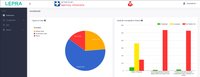
Dashboards should empower, not overwhelm. Users need answers to practical questions — What was achieved? Where? How close are we to our targets?
Clarity and relevance are key. Simple, action-oriented reports help teams make better decisions faster, especially in resource-constrained environments.
6. Language Matters
Communication is at the heart of every successful MIS. Many grassroots teams operate in regional languages, and systems built only in English can alienate them.
Designing with multi-language support from the start ensures inclusivity and improves accuracy and engagement.
7. Integrate Smartly
No system exists in isolation. Donors and partners may already have reporting tools or legacy databases. Instead of replacing everything, design for smooth integrations and data migrations — making the MIS a seamless part of the organization’s existing ecosystem.
8. Prioritize Security
MIS platforms often manage sensitive beneficiary data, financial records, and program insights.
From the very beginning, build in robust access controls, data encryption, and compliance standards to protect trust and confidentiality.
💡 Our Takeaway
The best MIS systems aren’t built in isolation — they’re co-created, field-tested, and continuously refined.
They empower organizations with clarity, scalability, and the confidence to act on data.
At Socialbytes, every MIS we build is more than a product — it’s a partnership built on empathy, adaptability, and impact.
Related Posts